
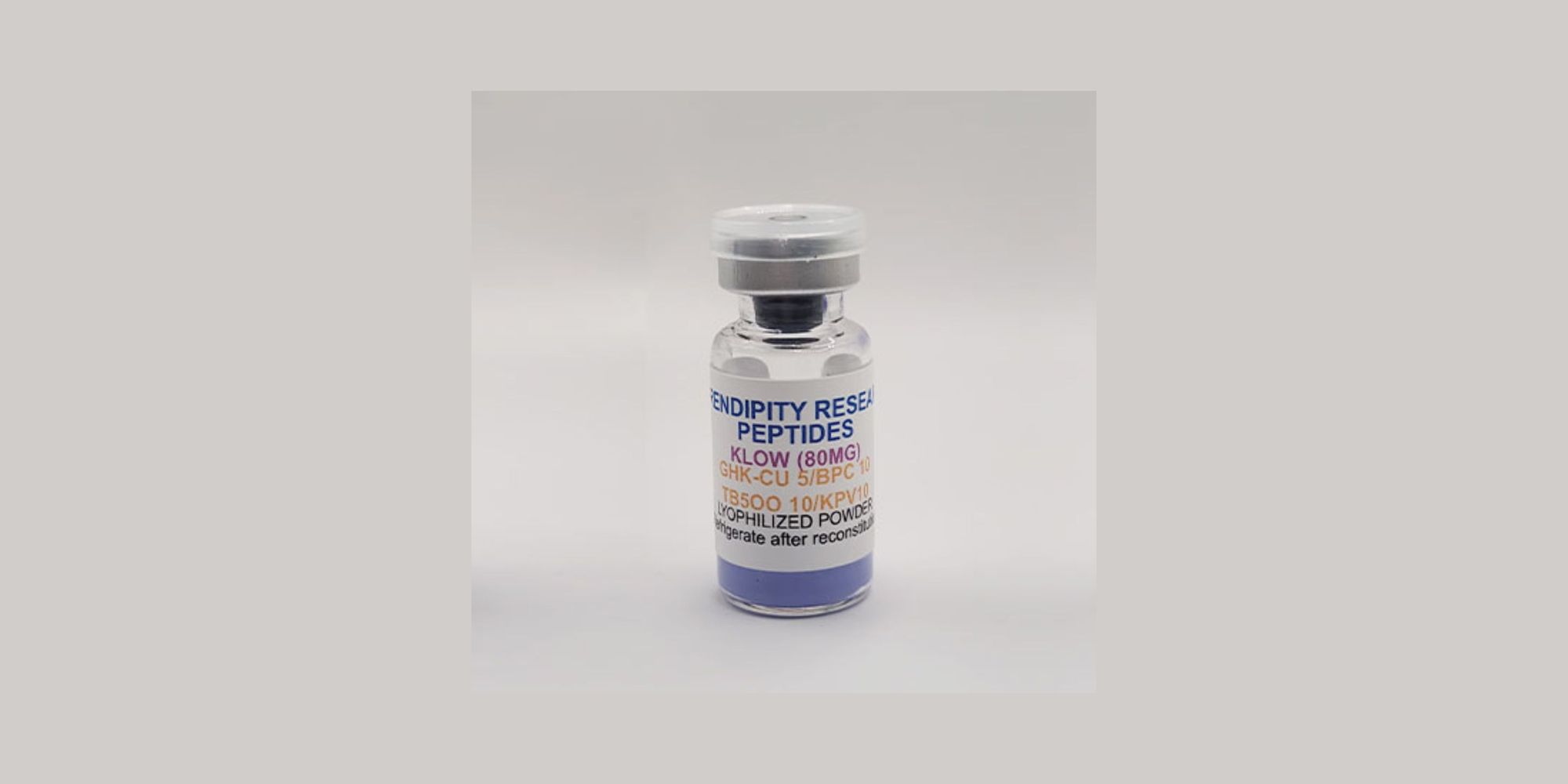
Scientific research continues to explore new compounds to better understand biological systems. Among these compounds, the KLOW peptide has gained attention in laboratory settings for its unique structure and possible interactions within cellular environments. Current investigations focus on how this peptide behaves under controlled conditions and what insights it can provide for future scientific work.
As interest grows, researchers are expanding KLOW peptide research through different experimental models, creating a clearer picture of its properties and potential applications in research programs.
Understanding KLOW Peptide in Research
KLOW peptide is being examined as a research compound in several scientific fields. Researchers aim to understand how it interacts with cells, proteins, and signaling pathways. These studies help build foundational knowledge and support future exploration.
Scientists do not limit their work to a single area. Instead, they examine multiple factors, including stability, molecular behavior, and biological responses. This broad approach allows research teams to gather reliable data from different angles.
Key Areas of Evaluation
Modern laboratories are assessing the KLOW peptide through several research methods:
- Cellular response analysis
- Molecular interaction testing
- Protein signaling investigations
- Laboratory-based stability assessments
- Controlled experimental modeling
Each area provides valuable information. For example, cellular response studies help researchers observe how cells react when exposed to the peptide. Molecular interaction testing examines how the compound connects with other biological structures.
As a result, KLOW peptide studies continue to generate data that support deeper scientific understanding.
How Researchers Conduct KLOW Peptide Studies
Research teams follow structured protocols to evaluate the KLOW peptide. First, scientists prepare controlled environments where variables can be carefully monitored. Next, they introduce the peptide and record measurable outcomes.
Several tools play an important role during this process:
- Microscopy systems for cellular observation
- Biochemical assays for molecular measurement
- Data analysis software for result interpretation
- Laboratory imaging technologies for tracking changes
These methods help researchers collect accurate information. In addition, repeated testing strengthens confidence in the findings. Through this process, KLOW peptide research develops a more complete scientific profile for the compound.
Focus on Cellular and Molecular Mechanisms
A major goal of current investigations involves understanding how the KLOW peptide interacts at the cellular level. Cells communicate through complex signaling networks. Researchers want to determine whether the peptide influences any part of these systems.
Scientists also study molecular mechanisms. They analyze how the peptide behaves when exposed to proteins, enzymes, and other biological components. Findings from these projects contribute to expanding knowledge within peptide science.
Current KLOW peptide studies place significant emphasis on gathering measurable evidence rather than relying on assumptions. This careful approach helps maintain scientific accuracy.
Growing Interest in Research Supply Markets
As scientific activity increases, demand for laboratory-grade materials has also grown. Researchers and institutions searching for the KLOW peptide for sale in the USA typically focus on research suppliers that provide detailed product documentation and quality standards.
Reliable sourcing supports experimental consistency. For this reason, laboratories carefully evaluate purity data, manufacturing information, and storage requirements before beginning new projects.
Interest in the KLOW peptide for sale reflects the expanding number of research programs examining peptide-based compounds and their biological characteristics.
Future Directions for KLOW Peptide Research
Research efforts continue to evolve as new technologies emerge. Advanced analytical tools now allow scientists to examine peptides with greater precision than before. These improvements create opportunities for deeper exploration and more detailed observations.
Future KLOW peptide research may focus on broader biological models, long-term laboratory assessments, and enhanced molecular mapping techniques. Each new study adds another piece to the puzzle and helps researchers understand the compound more clearly.
Final Thought
KLOW peptide remains an active subject of scientific investigation. Researchers are evaluating its cellular behavior, molecular interactions, and laboratory performance through structured experiments. As KLOW peptide studies expand within research communities, the scientific understanding of this peptide is expected to grow. Careful evaluation, reliable data collection, and ongoing exploration will remain central to future discoveries involving the KLOW peptide.