
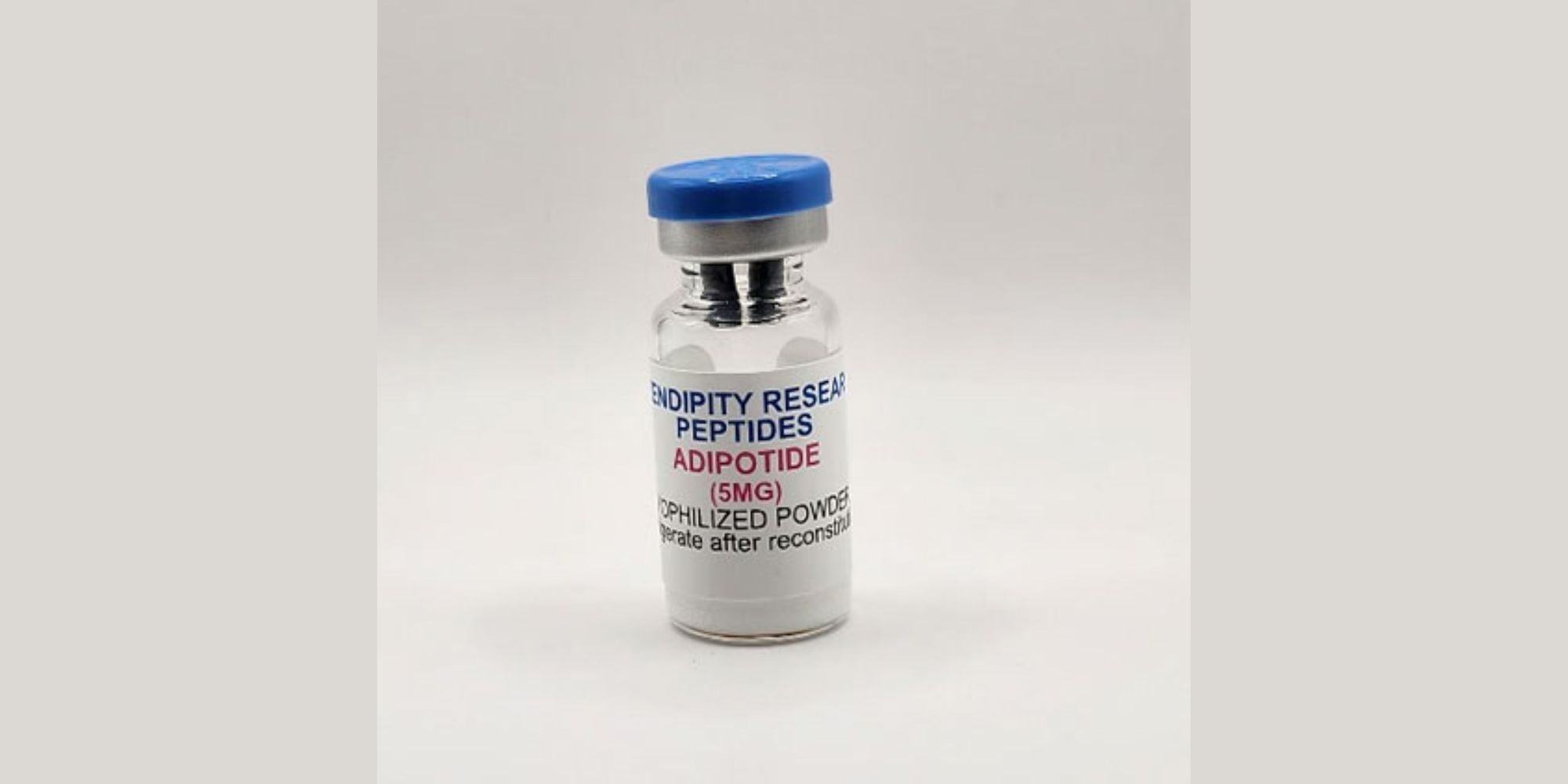
Early research on adipotide drew interest for a simple but unusual idea: instead of acting only on fat cells, researchers explored whether a peptide could target the blood vessels linked with fat tissue. The adipotide peptide became a research focus due to its ability to recognize a vascular marker associated with white adipose tissue.
For biotechnology and pharmaceutical teams, this work offered a useful look at how vascular targeting may guide research into tissue-selective therapies.
How Does Adipotide Target Fat-Associated Blood Vessels?
The key idea behind adipotide is vascular targeting. Blood vessels are not identical across all tissues. Cells lining these vessels can display different surface markers based on the tissue they serve. Researchers explored these differences to identify markers linked with white adipose tissue.
Adipotide was designed as a targeted peptide system with two main parts. One part helps the molecule recognize a vascular marker. The other part is linked to a cell-active sequence. This design gives researchers a way to study whether a selected blood vessel population can guide a therapeutic payload toward a specific tissue.
Early findings pointed to a vascular marker known as prohibitin, which researchers linked with blood vessels associated with white fat tissue. The finding helped build interest in vascular markers as possible targets for metabolic research.
What Did Early Research Show About the Target?
Early research suggested that adipotide could bind to blood vessels associated with white adipose tissue rather than acting as a broad, non-selective molecule. For research teams, the key value was the targeting concept itself.
The findings highlighted several important research areas:
- Vascular recognition: The peptide showed interest in a marker found on selected blood vessels linked with adipose tissue.
- Tissue targeting: The approach focused on the blood supply around fat tissue rather than simply binding to fat cells.
- Payload delivery: The peptide design provided a model for directing a biologic effect toward a selected vascular population.
This work helped researchers consider blood vessels as active targets in metabolic research. It also showed how peptide design can combine molecular recognition with a functional sequence.
Why Is Vascular Targeting Important in Peptide Research?
Fat tissue has a rich blood supply, so its vascular network offers an important research pathway. Targeting vessels may provide a different strategy from directly targeting adipocytes.
For pharmaceutical and biotechnology laboratories, the adipotide peptide model raises questions about marker selection, binding strength, tissue distribution, cellular uptake, and payload activity. These factors can guide later laboratory studies and help researchers assess how well a targeted peptide performs.
The research also supports a wider field of study focused on ligand-directed delivery. In this approach, a small molecule or peptide acts like a molecular address label. It seeks a selected marker before the attached functional component acts.
What Should Researchers Know About Adipotide Dosage Research?
Adipotide dosage requires careful interpretation. Adipotide remains an experimental research compound, and there is no established therapeutic dosing standard for routine clinical use. Research teams should therefore avoid treating experimental findings as a clinical dosing guide.
For laboratory work, adipotide dosage can refer to a study variable used within a defined experimental design. Researchers need to consider factors such as the model system, formulation, exposure conditions, assay goals, and study endpoints. These details matter more than a single dose figure taken from an unrelated experiment.
For regulated research programs, adipotide dosage should be handled through approved protocols, institutional requirements, and appropriate laboratory controls. This approach helps keep experimental data clear and reproducible.
What Did These Findings Mean for Future Research?
The early work around adipotide helped expand interest in tissue-specific vascular targeting. Rather than viewing blood vessels as passive channels, researchers could study them as molecular targets with distinct surface markers.
The adipotide peptide also provided a useful research example of how peptide structure can combine targeting and biological activity. Future research can build on questions involving target validation, binding selectivity, pharmacokinetics, delivery systems, and biomarker analysis.
Final Thought
Early adipotide research offered an important lesson for modern peptide science: the blood vessels serving a tissue may provide a useful molecular route for targeted research. The adipotide peptide remains an experimental subject, but its vascular targeting concept continues to provide a framework for studying selective delivery, tissue markers, and peptide-based research strategies.